Machinery Matters: Why You Need Plant and Equipment Insurance
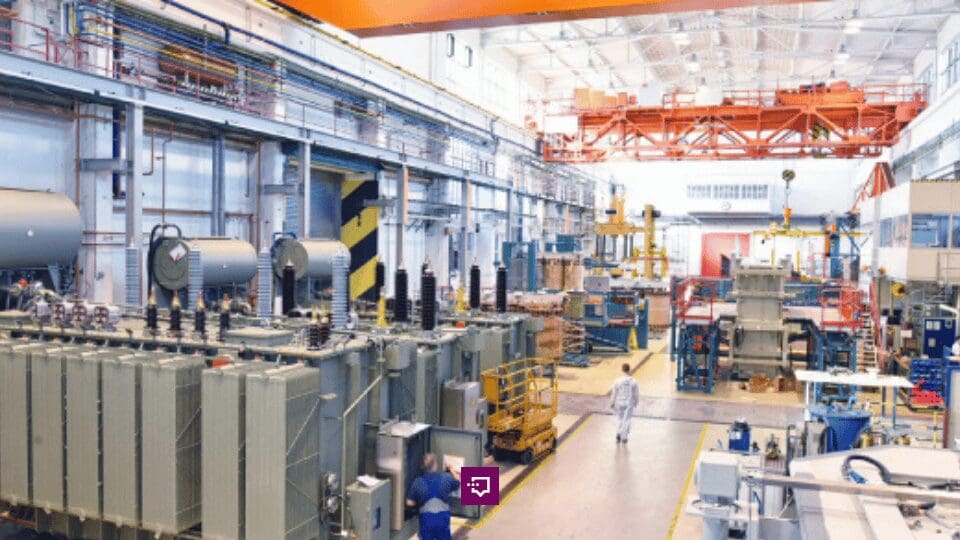
For businesses that rely on heavy machinery and complex equipment, plant and equipment insurance forms an essential part of sound business planning. This specialised cover protects against a broad spectrum of risks and provides the financial support required to maintain continuity when equipment is lost, damaged, or destroyed.
If your business depends on heavy machinery or complex equipment to get the job done, plant and equipment insurance isn’t really optional, it’s a core part of keeping things running. This type of cover is designed to protect against a broad range of risks, giving your business the financial backing it needs to bounce back when something goes wrong.
Why Your Business Needs Plant and Equipment Insurance:
1. Financial Protection for Repairs and Replacement
The core function of this insurance is to cover the cost of repairing or replacing machinery that has been damaged or stolen. Given that specialised equipment can be expensive to fix or replace, businesses without adequate cover may face considerable financial strain following an incident.
2. Supporting Business Continuity
Equipment failure can disrupt operations significantly, leading to lost productivity and revenue. Appropriate insurance allows a business to recover more quickly from these setbacks, rather than absorbing the full cost of repairs or replacement without support.
3. Protection Against Liability Claims
Many policies also include liability cover, which is critical if equipment causes injury to a person or damage to property. Such incidents can result in legal action or compensation claims, and liability protection helps safeguard the business from these potentially significant costs.
4. Financial Stability in Unforeseen Circumstances
Equipment breakdown or damage can occur without warning and carry substantial financial consequences. This insurance provides a safeguard, helping to ensure that unexpected losses do not compromise the overall financial position of the business.
5. Tailored Cover for Individual Business Needs
Given that different industries face different equipment-related risks, plant and equipment insurance can be structured to reflect the specific requirements of a business, rather than applying a generic approach to cover.
6. Compliance with Contractual and Regulatory Obligations
In sectors such as construction and manufacturing, holding appropriate plant and equipment insurance is often a contractual requirement for undertaking certain projects. It may also be necessary to meet relevant industry compliance standards.
7. Preserving Asset Value
Heavy machinery typically represents a significant capital investment. Insurance helps protect this value, ensuring that loss or damage does not have a disproportionate impact on the business’s financial position.
8. A Component of Broader Risk Management
This form of insurance should be considered alongside other risk management measures, contributing to a more comprehensive approach to protecting the business against operational risks.
Plant and equipment insurance is not just a protective measure; it is an integral component of strategic business planning, especially for operations that heavily rely on machinery and equipment. It allows these businesses to manage operational challenges with confidence, knowing they are protected against the range of risks associated with their essential equipment.
Talk to Herron
If your business relies on plant and equipment, it’s worth making sure your cover actually matches your risk.
Get in touch with the team at Herron Insurance for a chat about what’s best for your operation.
Herron – Business & Commercial Insurance Pty Ltd ABN 50 648 998 850 is a Corporate Authorised Representative (No. 1292090) of Insurance Advisernet Australia Pty Ltd ABN 15 003 886 687 AFSL: 240549
Callum Graham
Principal Adviser
Mark Herron
Principal