Building Costs Are Climbing, Could Your Insurance Be Falling Behind?
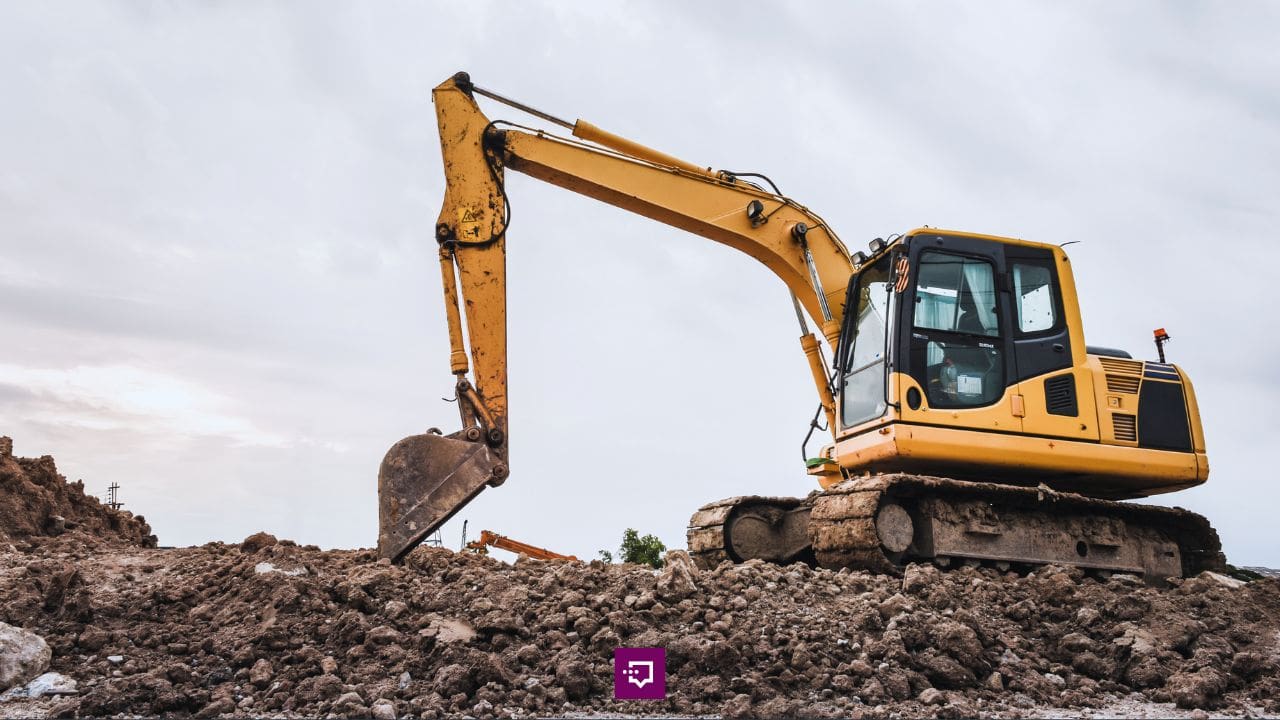
Why underinsurance is becoming a bigger risk for Australian businesses and property owners.
Five things you need to know
- Building costs across Australia are continuing to rise due to ongoing inflation, global instability, fuel price increases and supply chain disruptions.
- Concrete, steel, timber, plumbing supplies and other key construction materials have all experienced significant price increases in recent months, with some products increasing by more than 30%.
- Construction cost inflation is expected to remain elevated throughout 2026, placing pressure on replacement values for commercial properties, residential buildings and business assets.
- Many insurance policies are based on declared replacement values. If these values are outdated, businesses and property owners may unknowingly be underinsured at the time of a claim.
- Underinsurance does not only affect total loss events. Even partial damage claims can leave policyholders significantly out of pocket if sums insured are inadequate.
One thing you should do
Review your current building and asset sums insured and consider obtaining an updated valuation to ensure your insurance cover still reflects current replacement costs.
How Herron can help
- Review your current insurance valuations and identify potential underinsurance risks
- Assist in understanding how rising construction costs may impact your insurance requirements
- Work with Herron Insurance as your insurance adviser to help ensure your policy limits remain appropriate
- Help businesses understand the financial risks associated with inadequate cover during periods of high inflation
- Provide guidance around asset reviews, business protection and risk management strategies
Construction costs are climbing again
After several years of economic uncertainty, Australian building costs continue to rise well beyond normal inflation measures.
Ongoing global instability, including supply pressures linked to conflict in the Middle East, combined with domestic labour shortages and inflationary pressures, are driving sharp increases across the construction industry.
For businesses, property owners and investors, this creates a growing risk that existing insurance cover may no longer be adequate.
At Herron Insurance, we are increasingly seeing situations where insurance replacement values no longer reflect the true cost of rebuilding or repairing assets in the current market.
A valuation that was appropriate even 12 to 24 months ago may now leave a significant shortfall.
What’s driving the increase in building costs?
Fuel and transport costs
Several major concrete suppliers across Australia have recently increased fuel surcharges substantially, following ongoing increases in fuel and transport costs.
These rising transport expenses are flowing through to construction projects, increasing the cost of core building materials and infrastructure works.
Even relatively small increases across materials can significantly affect overall rebuild costs for homes, warehouses, commercial premises and industrial facilities.
Material price increases
The increases are not limited to concrete alone.
Builders are reporting widespread increases across:
- Timber
- Steel
- Plumbing supplies
- Plastic piping
- Fixtures and fittings
- Electrical components
Some plumbing and plastic pipe products have reportedly increased between 27% and 36%, while certain bathroom and fixture products are also seeing substantial price rises.
These increases continue to place pressure on both residential and commercial construction projects.
Labour shortages and supply chain pressures
Construction demand remains high across Australia, while labour shortages continue to affect the availability of qualified tradespeople.
At the same time, supply chain disruptions are continuing to delay projects and increase procurement costs.
Even if fuel prices stabilise, many industry experts believe construction pricing is unlikely to return to previous levels due to sustained demand and ongoing workforce shortages.
Why this matters for insurance
One of the most common insurance risks during periods of high inflation is underinsurance.
Many property owners assume their insurance cover automatically keeps pace with market conditions. However, unless sums insured are actively reviewed, policies may no longer reflect current rebuilding costs.
This can become a major issue when making a claim.
Importantly, underinsurance does not only affect total loss events such as fires or natural disasters.
Partial damage claims can also create financial shortfalls if repair and replacement costs exceed policy limits or are subject to underinsurance clauses.
For businesses, this may lead to:
- Unexpected out-of-pocket costs
- Delays in rebuilding or repairs
- Cash flow pressure
- Reduced claim payouts
- Greater financial stress during already difficult circumstances
Areas seeing significant cost pressure
The construction industry is currently experiencing elevated pricing across:
- Residential construction
- Commercial building projects
- Renovations and extensions
- Civil and infrastructure works
- Earthworks and transport-related construction
Some builders have reportedly absorbed increased costs on existing fixed-price contracts, however new projects and quotations are increasingly reflecting current market pricing.
This means replacement costs for insured properties may now be significantly higher than older valuations suggest.
What you can do
Businesses and property owners should consider:
- Reviewing current building sums insured
- Obtaining updated replacement valuations
- Reviewing plant, equipment and asset schedules
- Understanding any underinsurance clauses within policies
- Discussing inflation impacts with Herron Insurance
- Reviewing policies regularly during periods of rapid market change
Regular reviews can help reduce the risk of unexpected shortfalls when claims arise.
Callum Graham
Principal Adviser
Mark Herron
Principal